Teaching Jobs in SE Asia

Overview of Teaching in South East Asia
Southeast Asia has developed into one of the most active international education markets globally. Countries including Thailand, Vietnam, Singapore, Malaysia and Indonesia host large international school communities serving expatriate families, diplomatic staff and a growing number of local students seeking internationally recognised qualifications.
Major international education hubs include Bangkok, Singapore, Ho Chi Minh City, Hanoi, Kuala Lumpur and Jakarta, where clusters of international schools operate alongside bilingual and private institutions offering international programmes.
Singapore represents the most mature international school market in the region. Its international schools operate under strict regulatory frameworks and often charge some of the highest tuition fees in Asia, reflecting both demand and the city’s high cost of living. International school teachers there typically earn higher salaries than elsewhere in the region, although accommodation costs are also significantly higher.
Across Southeast Asia more broadly, international teacher salaries vary depending on school type and location. In cities such as Bangkok, Ho Chi Minh City and Kuala Lumpur, international school salaries often provide a comfortable standard of living relative to local costs. Many schools provide benefits such as relocation assistance, flights or medical insurance.
Demand for international schooling has expanded significantly across the region over the past two decades. Economic growth, multinational investment and rising middle-class incomes have increased demand for international curricula that provide pathways to universities in Europe, North America and Australia.
For teachers considering international teaching jobs in Southeast Asia, the region offers a combination of established international schools, diverse cultural environments and expanding professional opportunities. Teachers interested in exploring current international school vacancies across the region can view our latest roles on the Aristotle Teachers careers page.
The Experience of Teaching Students in Southeast Asia
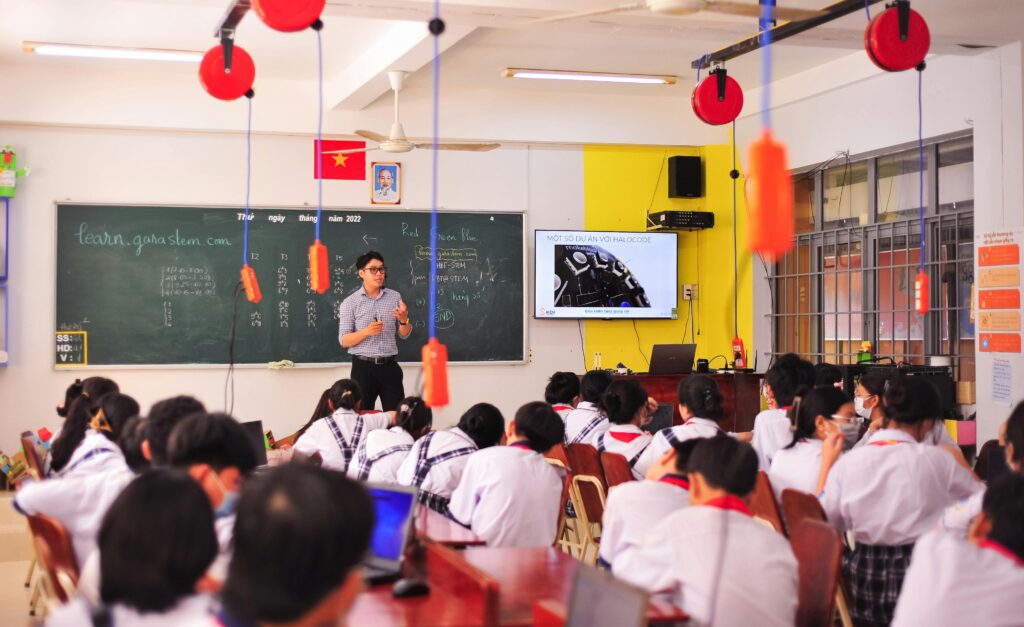
Many international educators note that classrooms across Southeast Asia reflect a strong emphasis on respect for teachers, academic diligence and collaborative learning. In countries such as Vietnam, Thailand and Malaysia, education is widely viewed as a pathway to social mobility, and families often place significant importance on academic achievement and international qualifications. In international schools, students are typically accustomed to structured programmes such as the International Baccalaureate or Cambridge curricula, and many are bilingual or multilingual, studying in English while maintaining strong proficiency in their national language. Teachers frequently report highly motivated learners and supportive parent communities, particularly in examination years. At the same time, classrooms can be culturally diverse, with local and expatriate students learning together. For educators who value structured learning environments, clear academic goals and engaged families, teaching in Southeast Asian international schools can offer a dynamic and rewarding professional experience.
The Structure of the International School Market
The international school sector in Southeast Asia operates through several institutional models, shaped by expatriate populations, government regulation and private investment in education.
Established Non-Profit International Schools
Some of the most well-known international schools in Southeast Asia operate as non-profit or board-governed institutions originally created to serve diplomatic communities and multinational companies.
Schools in Bangkok, Singapore, Kuala Lumpur and Jakarta often fall into this category. Many have decades of operational history and maintain accreditation through international bodies such as:
Council of International Schools (CIS)
Western Association of Schools and Colleges (WASC)
New England Association of Schools and Colleges (NEASC)
These schools frequently deliver globally recognised programmes including:
International Baccalaureate (PYP, MYP and Diploma Programme)
British curriculum pathways leading to IGCSE and A Levels
American High School Diploma with Advanced Placement courses
Recruitment expectations are typically aligned with international accreditation standards. Teachers are normally expected to hold recognised teaching qualifications and demonstrate prior experience delivering established international curricula.
Private International School Groups
Private investment has driven significant expansion of international education across Southeast Asia, particularly in Vietnam, Thailand and Malaysia.
Education groups and private operators have established many international schools in major cities, often targeting both expatriate families and local students seeking international qualifications.
Vietnam provides a clear example of this growth. Ho Chi Minh City and Hanoi now host numerous international schools offering IB, Cambridge and bilingual programmes. These schools frequently recruit internationally trained teachers across core subject areas including mathematics, science and English.
Governance structures and resources can vary between private schools. Teachers considering positions often evaluate factors such as curriculum structure, leadership stability, accreditation status and student demographics before accepting a role.
Hybrid and Bilingual International Schools
A third model common in Southeast Asia is the hybrid or bilingual international school.
These institutions combine national education frameworks with international qualifications such as Cambridge IGCSE or the IB Diploma Programme. They are particularly common in Thailand, Vietnam and Indonesia, where government policy encourages integration between international programmes and national education systems.
Teachers in these schools may work alongside local teaching staff and contribute to programmes designed to prepare students for international university admissions.
Where Demand for Teachers Concentrates
Demand for international school teachers across Southeast Asia tends to concentrate in major metropolitan centres with strong expatriate communities and established international education sectors.
Thailand
Bangkok hosts one of the largest international school markets in Southeast Asia. Schools offer a wide range of curricula including British, American and IB programmes. Thailand’s popularity among international teachers is influenced by lifestyle factors, accessible travel across Asia and comparatively moderate living costs.
Vietnam
Vietnam has experienced some of the fastest growth in international schooling in Asia. Ho Chi Minh City and Hanoi have seen rapid expansion in private and international schools as economic development increases demand for international education.
International schools frequently recruit teachers in mathematics, sciences, English and humanities, particularly for secondary programmes leading to IGCSE, A Level or IB Diploma examinations.
Singapore
Singapore’s international schools operate at the premium end of the regional market. Schools serve a large expatriate population and often maintain strong academic reputations with internationally recognised accreditation.
Teacher salaries are generally higher than elsewhere in Southeast Asia, but the cost of living — particularly housing — is also significantly higher.
Malaysia and Indonesia
Cities such as Kuala Lumpur and Jakarta host diverse international school communities delivering British, IB and American programmes.
Malaysia has become particularly attractive for teachers seeking international experience in Asia due to its relatively stable infrastructure, English-speaking environment and lower living costs compared with Singapore.
Across the region, international schools frequently recruit experienced teachers in high-demand subject areas including mathematics, physics, chemistry, computer science and economics.
Salaries, Taxation and Cost Structures
Teacher compensation across Southeast Asia varies significantly depending on the country, school type and level of experience.
International school teachers in cities such as Bangkok, Ho Chi Minh City and Kuala Lumpur often earn salaries that provide a comfortable standard of living relative to local costs. Salaries in private international schools typically range between $2,000 and $4,000 per month, although highly established schools may offer higher packages.
In Singapore, international school salaries are usually higher due to the city’s cost of living, though housing and everyday expenses are also significantly greater.
Living costs across much of Southeast Asia remain lower than in Western Europe or North America. In cities such as Ho Chi Minh City or Bangkok, accommodation, food and transportation costs can be considerably lower than in major global cities.
Some international schools provide benefits including:
Housing allowances or accommodation support
Annual flights to the teacher’s home country
Private medical insurance
Tuition benefits for dependants
Taxation structures vary between countries. Singapore and Malaysia operate structured income tax systems with progressive rates, while Thailand and Vietnam apply income tax based on residency status and salary levels.
For many teachers, Southeast Asia offers a balance of moderate salaries and manageable living costs combined with strong travel and lifestyle opportunities.
Visa and Work Permit Considerations
Foreign teachers working in Southeast Asia typically require a sponsored employment visa and a government-issued work permit.
Most countries in the region require teachers to hold:
A bachelor’s degree
A recognised teaching qualification
A clean criminal background check
Medical clearance confirming fitness to work
Schools generally act as the sponsoring employer and handle much of the visa application process.
In Thailand, foreign teachers typically enter the country on a Non-Immigrant B visa, after which the employer applies for a formal work permit through the Ministry of Labour.
In Vietnam, the work permit process requires authenticated academic qualifications and employment documentation, with approval issued through the Ministry of Labour, Invalids and Social Affairs.
Singapore operates a more structured employment pass system. Teachers working in international schools are typically sponsored under an Employment Pass, which requires salary thresholds and professional qualifications to be met.
Although visa processes differ by country, established international schools usually guide incoming teachers through the documentation and sponsorship process prior to arrival.

Who Thrives in Southeast Asian International Schools?
Teachers who succeed in Southeast Asian international schools typically combine recognised professional qualifications with experience in established international curricula. Schools across the region frequently prioritise candidates holding PGCE with QTS, US state teaching licences or equivalent certification, alongside subject-specific degrees. Experience teaching programmes such as the International Baccalaureate, Cambridge IGCSE and A Level, or Advanced Placement is particularly valued, especially for secondary positions in mathematics, sciences and humanities.
In practical terms, many schools prefer teachers with two to five years of post-qualification classroom experience, particularly those who have worked in examination programmes or international school environments. Because student populations often include both expatriate and locally based families, teachers who thrive tend to be comfortable working in multicultural classrooms where English is the language of instruction but many students are bilingual or multilingual.
Successful teachers in the region also tend to adapt well to collaborative school cultures. International schools in Southeast Asia often place strong emphasis on co-curricular activities, pastoral support systems and whole-school events, meaning staff frequently contribute beyond classroom teaching through clubs, trips or enrichment programmes. Educators who combine strong subject knowledge, structured classroom practice and a willingness to engage with the wider school community generally integrate most successfully into international schools across Southeast Asia.
Safety and Travel in Southeast Asia
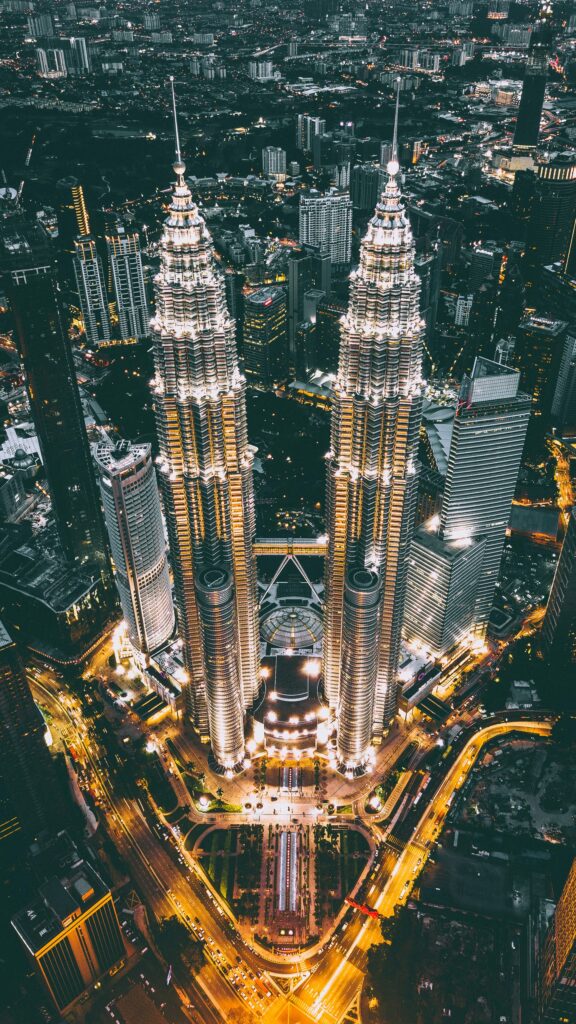
For many international teachers, Southeast Asia offers a combination of well-developed travel infrastructure and generally safe urban environments, particularly in the major cities where international schools are located. Cities such as Singapore, Kuala Lumpur, Bangkok and Ho Chi Minh City consistently rank among the safer large cities in the region, with relatively low levels of violent crime and well-established public transport systems. Singapore in particular is widely recognised for its strict law enforcement and consistently ranks among the safest cities globally.
Most international schools are located in established residential areas or expatriate districts where housing compounds, serviced apartments and international amenities are common. Schools often provide guidance on neighbourhoods popular with expatriate staff, and many teachers choose to live near major transport routes or school-provided shuttle services.
Travel across Southeast Asia is also straightforward. Major aviation hubs such as Singapore Changi Airport, Bangkok Suvarnabhumi Airport and Kuala Lumpur International Airport connect the region through extensive low-cost and full-service airline networks. This allows teachers to travel easily during school holidays to destinations across Thailand, Vietnam, Indonesia and the wider Asia-Pacific region.
Within cities, public transport systems are well developed in several countries. Singapore and Kuala Lumpur operate extensive metro networks, while Bangkok’s BTS Skytrain and MRT systems provide efficient transport across large parts of the city. In other cities where metro systems are limited, ride-hailing services such as Grab and Gojek are widely used by residents and expatriates.
As with any large urban region, teachers are generally advised to follow standard precautions relating to personal security, road safety and health insurance. Traffic congestion can be significant in cities such as Bangkok and Jakarta, and some teachers choose housing close to their school to minimise commute times.
Overall, Southeast Asia is widely regarded by international educators as a region where travel is accessible and lifestyle opportunities are significant. The combination of relatively short flight distances, affordable regional travel and diverse cultural destinations means many teachers use school holidays to explore neighbouring countries throughout the region.