Teaching Jobs in China

Overview of Teaching in China
Teaching jobs in China form part of the wider international teaching jobs market, with demand across Asia, the Middle East and Europe. Teaching jobs in China form one of the largest and most structured segments of the international education market. The country hosts a substantial network of international schools for foreign passport holders, private bilingual schools delivering international curricula alongside national requirements, and public schools operating international divisions. Opportunities are concentrated in major urban centres such as Beijing, Shanghai, Guangzhou and Shenzhen, as well as in rapidly developing regional hubs including Chengdu, Hangzhou and Nanjing. However, the professional experience varies significantly depending on city tier, school ownership model and regulatory framework. Legal employment requires proper work visa sponsorship and completion of residence procedures, and documentation standards are formal and process-driven. Recruitment typically aligns with the late summer academic start, with most hiring taking place from late autumn through spring. For teachers considering international teaching jobs in China, clarity around city location, housing expectations, curriculum delivery model and visa compliance is essential before committing to a role. Visit our career page to see the latest teaching vacancies for China
The Experience of Teaching Chinese Students
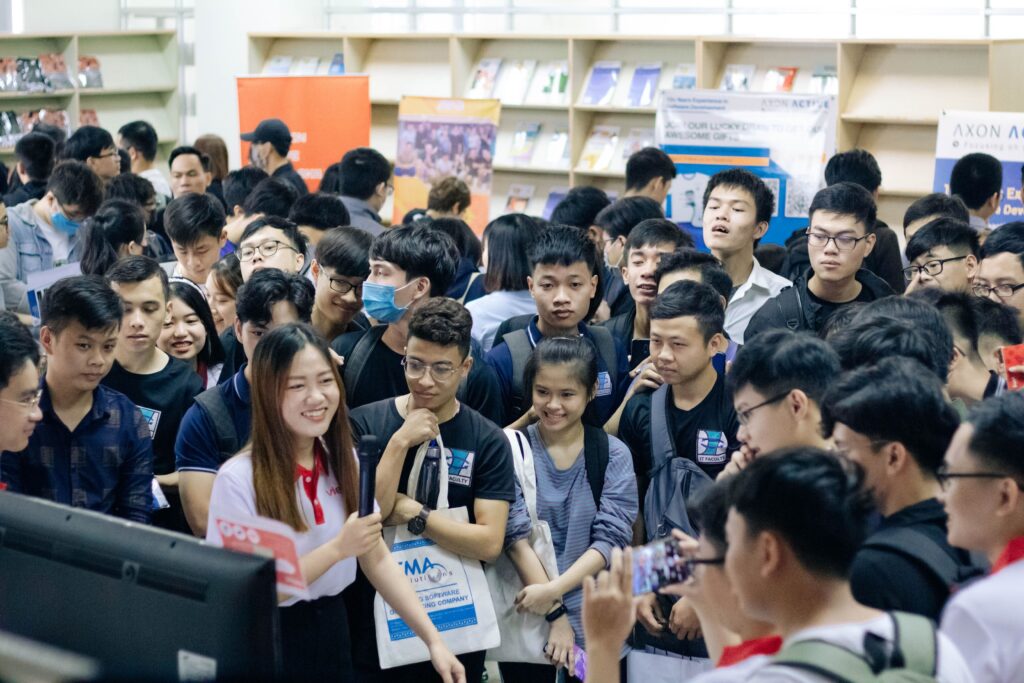
Many international educators highlight that the classroom culture is one of the most distinctive and rewarding aspects of teaching in China. Education carries significant social value, and students are often raised within environments that emphasise academic effort and measurable progress. In practical terms, this frequently translates into focused classrooms where pupils are accustomed to structured learning and clear expectations. Teachers delivering IB, British or American programmes often find that students respond well to defined objectives, assessment frameworks and consistent feedback. High parental engagement can increase accountability, particularly in examination years, but it also reinforces the importance placed on educational outcomes. While adaptability is required — especially in bilingual settings where international curricula intersect with national expectations — many teachers find the combination of student ambition, respect for professional authority and visible academic progression professionally satisfying. For educators who value structure, effort and academic drive, teaching in China can offer a deeply engaging and purposeful classroom experience.
Understanding China’s City Tier Structure
China’s city tier system is widely referenced in business and relocation contexts, although it is not an official government classification. It is commonly used to describe economic scale, infrastructure development and international integration.
For teachers, city tier affects:
School density and competition
Salary positioning relative to housing costs
Expatriate infrastructure
Access to international healthcare and services
Tier 1 Cities: Beijing, Shanghai, Guangzhou, Shenzhen
These cities host the highest concentration of established China international schools. They typically offer:
Long-standing IB, British and American curriculum schools
Larger expatriate communities
International hospitals and English-speaking services
Higher rental markets
Competition for premium schools in Tier 1 cities can be strong, particularly for IB and leadership positions.
Major Regional Hubs (“New First-Tier” Cities)
Cities such as Chengdu, Hangzhou, Wuhan, Nanjing, Suzhou, Xi’an and Chongqing are frequently described in commercial rankings as major growth hubs.
In practical terms, these cities often combine:
Expanding bilingual and private international school groups
Growing international programme adoption
More moderate housing costs than Tier 1 cities
Increasing expatriate infrastructure
For many educators, these hubs provide a strong balance between professional opportunity and lifestyle value.
Other Tier 2 Cities
Cities including Xiamen, Fuzhou, Jinan, Foshan, Wuxi and others offer opportunities but require careful evaluation of the individual school. Market maturity and international infrastructure can vary significantly.
City selection is not simply about status. It directly shapes daily commute, housing quality, professional culture and support networks.
Types of Schools Offering Teaching Jobs in China
International Schools for Foreign Passport Holders
These schools typically enrol students holding foreign passports and deliver recognised programmes such as IB, IGCSE/A Level or American curriculum pathways. Teachers in these environments often find:
Greater curriculum autonomy
Established international leadership teams
Standardised professional expectations
Clear governance structures
Most require recognised teaching credentials and at least two years’ experience.
Private Bilingual Schools
Bilingual schools predominantly enrol Chinese nationals while delivering international curriculum alongside national requirements. In these schools, teachers may experience:
Strong parental academic expectations
Structured assessment systems
Closer regulatory oversight during compulsory education years
Higher performance pressure in examination years
This is a substantial and expanding segment of the China education market.
Public Schools with International Divisions
Some public schools operate international streams. These vary considerably in structure and autonomy. Conditions depend heavily on local governance and school leadership.

Work Visa Requirements for Teaching in China
Legal employment typically requires a Z (work) visa, followed by residence and work authorisation procedures after arrival.
China operates a unified foreigners’ work permit system introduced in 2017. Employers manage classification and application processes through local authorities.
Documentation usually includes:
Degree certificate (authenticated)
Teaching qualification (authenticated)
Criminal background check
Medical examination
Proof of relevant experience
Authentication timelines vary depending on your home country. Preparation well in advance of the hiring season is essential.
Working on incorrect visa types is not advisable and can create serious complications.
Hiring Cycles for China International Schools
The academic year generally begins in late August or early September.
Recruitment patterns typically follow:
Main hiring cycle: late autumn through early spring
Secondary hiring: late spring and early summer
In-year hiring: replacement-driven
Demand remains strongest in secondary Mathematics, Science, Computer Science and experienced primary teachers familiar with international curriculum frameworks.
Schools often prioritise teachers with curriculum experience in IB, British or American systems.

Salary, Housing and Contract Structure
Salary packages for teaching jobs in China vary by city tier, school type and experience level.
Most offers include:
Housing allowance or school-provided accommodation
Annual flight allowance
Medical insurance
Contract completion bonus
China is not a tax-free environment. Income tax applies according to local regulations.
Housing evaluation is critical. Rental markets in Shanghai or Beijing differ significantly from regional cities. A realistic housing allowance aligned with local market conditions matters more than headline salary.
Before accepting a contract, teachers should clarify:
Teaching load and non-contact time
Duty expectations
Tuition concessions (if relocating with children)
Medical cover for dependants
Contract renewal and probation clauses
Clarity at contract stage defines long-term satisfaction.
Safety and Travel in China

For international teachers, China is generally regarded as a country with comparatively low levels of street crime in major urban areas. Violent crime against foreigners is uncommon, and large cities such as Beijing, Shanghai and Shenzhen are heavily monitored with visible public security presence and extensive CCTV systems. As in any large city, petty theft can occur in crowded transport hubs or tourist areas, but day-to-day movement on public transport and in residential districts is typically orderly. The more significant considerations tend to relate to legal compliance and documentation: carrying appropriate identification, observing visa conditions, and respecting local laws and regulations are essential. Penalties for breaches of immigration or public order laws can be strict, and expectations around behaviour differ from Western norms in some areas.
Travel within China is straightforward and well developed. The high-speed rail network connects major cities efficiently, and domestic flights are frequent. Infrastructure at airports and railway stations is modern and organised. Travel to more remote regions may involve additional permit requirements, and teachers should review official guidance if planning visits to border or autonomous areas. For regional travel outside mainland China, visa requirements vary depending on destination, and re-entry rules should always be checked in advance to avoid complications with residence permits. With appropriate planning and awareness of documentation requirements, both domestic and regional travel are generally accessible and manageable.
Living in China as an International Teacher
For Western teachers, settling into life in China is often defined by adjustment to scale and pace. Major cities such as Beijing and Shanghai are vast, densely populated and highly urbanised, yet daily life is generally organised and efficient. Public transport systems are extensive and reliable, with metro networks that connect most districts and high-speed rail linking cities across the country. Cash is rarely used in urban areas; mobile payment platforms dominate everyday transactions, from grocery shopping to taxi fares. New arrivals typically find that once local apps, banking processes and transport systems are understood, practical life becomes straightforward.
Housing standards vary significantly by city and budget. In Tier 1 cities, modern high-rise apartment living is common, often within gated residential compounds that include security and shared amenities. Rental prices in central districts can be high relative to regional cities, so understanding whether accommodation is provided or allowance-based is essential before arrival. Outside the largest cities, living costs can be lower, though access to international supermarkets, English-speaking medical services and expatriate communities may be more limited. Healthcare quality in major urban centres is strong, with private international clinics available, but public hospitals may operate primarily in Mandarin.
Cultural adaptation is part of daily life. Language barriers are more noticeable outside expatriate districts, although translation apps reduce practical difficulties. Social norms around queuing, personal space and communication style can feel different at first. Food culture is diverse and regionally distinct, and many teachers find exploring local cuisine one of the most rewarding aspects of living in China. Travel opportunities are extensive, from historic sites and major cultural centres to varied natural landscapes.
For those relocating with children, planning becomes more detailed. Access to international clinics, air quality by city, commute times and proximity to school all influence quality of life. Larger cities typically provide stronger expatriate support networks and more structured extracurricular opportunities. With realistic expectations and careful preparation, many families settle successfully, though the initial months require patience and organisation. For teachers willing to adapt, living in China offers exposure to a society that is fast-moving, highly connected and culturally distinct from Western norms.
Salary, Housing and Contract Structure
Salary packages for teaching jobs in China vary by city tier, school type and experience level.
Most offers include:
Housing allowance or school-provided accommodation
Annual flight allowance
Medical insurance
Contract completion bonus
China is not a tax-free environment. Income tax applies according to local regulations.
Housing evaluation is critical. Rental markets in Shanghai or Beijing differ significantly from regional cities. A realistic housing allowance aligned with local market conditions matters more than headline salary.
Before accepting a contract, teachers should clarify:
Teaching load and non-contact time
Duty expectations
Tuition concessions (if relocating with children)
Medical cover for dependants
Contract renewal and probation clauses
Clarity at contract stage defines long-term satisfaction.
Questions Teachers Should Ask Before Accepting
Before accepting teaching jobs in China, the most important step is not enthusiasm — it is clarity. The Chinese education market is large and varied. Two schools in the same city can operate very differently. Asking the right questions early protects both your professional reputation and your long-term experience.
1. What Visa Will I Be Sponsored Under?
Legal employment requires a Z (work) visa and formal work authorisation.
Will the school sponsor a Z visa from outside China?
What arrangements are in place for spouse and dependents?
Has the school successfully processed foreign teacher work permits before?
Who covers authentication and legalisation costs and are these covered upfront or reimbursed?
If a school suggests entering on a different visa type and “converting later,” treat this as a red flag. Immigration compliance in China is strictly enforced.
2. What Is the Real Teaching Load?
Contracts often state teaching hours, but expectations can extend beyond classroom time.
How many teaching periods per week?
How many preparations?
Is there a classroom split with a Chinese teacher?
What are homeroom or pastoral responsibilities?
How often are parent meetings or weekend events required?
High parental engagement is common in many Chinese schools. Understanding communication expectations avoids workload surprises.
3. What Is the Student Profile?
Academic culture varies significantly.
What proportion of students are aiming for overseas university placement?
Is the cohort exam-driven?
What is the English proficiency level?
In bilingual schools, students may be academically strong but still developing English fluency. This changes planning demands and classroom strategy.
4. How Is Housing Structured?
Headline salary figures mean little without context.
Is housing provided or allowance-based?
Is accommodation on or off campus?
What is the average rent for a one- or two-bedroom apartment near the school?
Is accommodation within commuting distance?
In Tier 1 cities, housing costs can significantly affect disposable income. In regional hubs, allowances may stretch further.
5. What Medical Coverage Is Included?
Healthcare access in major cities is strong, but insurance scope varies.
Does insurance cover international clinics?
Are dependants covered?
Is outpatient care included?
Is there a co-pay arrangement?
If relocating with children, this becomes essential rather than optional
6. What Support Is Provided on Arrival?
Relocation is smoother when onboarding is structured.
Is airport pickup provided?
Is assistance given with police registration and residence permit?
Is there an orientation programme?
China’s administrative systems are efficient but formal. Practical support during the first weeks makes a significant difference.
Final Perspective
Teaching in China can be professionally rewarding and financially structured, but clarity before arrival defines the experience. The strongest schools welcome detailed questions. If responses are vague, delayed or evasive, consider why.
A well-informed decision is not pessimism — it is professionalism.